
 Back to Homepage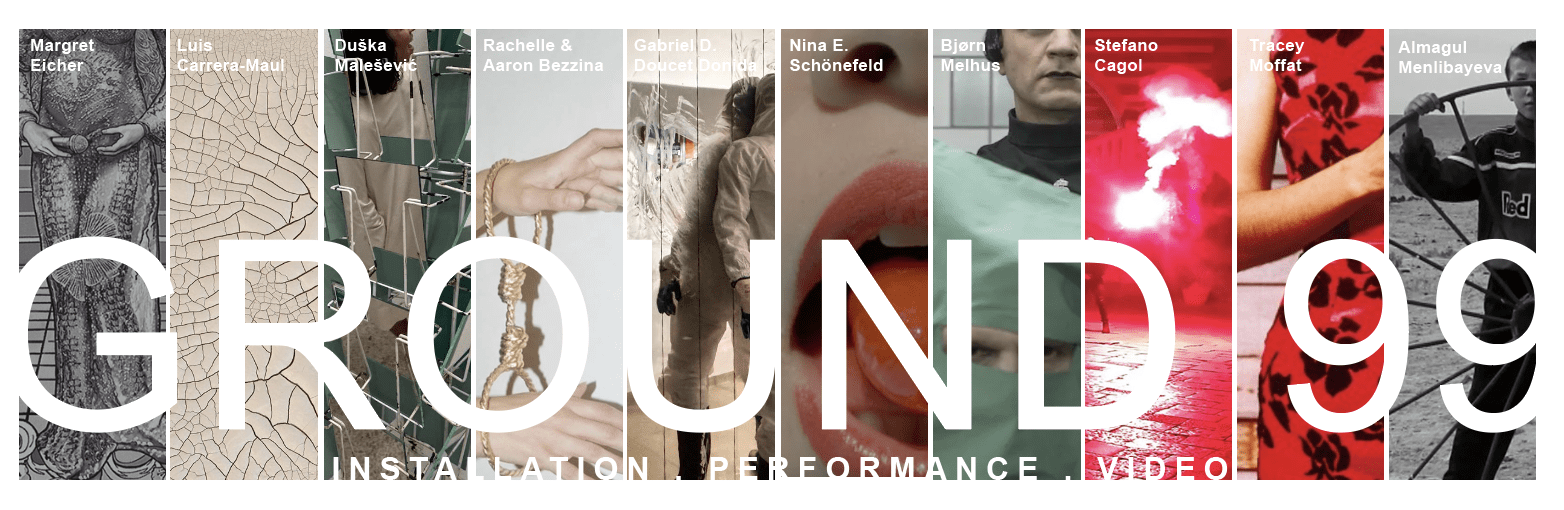

GROUND 99
Satellite Event of the Malta Biennale 2026
Featuring:
Rachelle & Aaron Bezzina // Stefano Cagol // Luis Carrera-Maul //
Gabriel D. Doucet Donida // Margret Eicher // Madeleine Fenwick //
Duška Malešević // Bjørn Melhus // Almagul Menibayeva //
Tracey Moffatt // Nina E. Schönefeld
Head Curator & Founding Director
Gabriel D. Doucet Donida
(B. Arch. Carlton U., MFA NSCAD and MA New York University)
Co-Curator:
Rachel Rits-Volloch
(BA Literature, Harvard University, M.Phil and PhD, University of Cambridge)
DATES:
12 – 14 March 2026: Grand Opening Days
19 March – 16 May 2026: Permanent Exhibition
OPENING HOURS:
Every Thursday, Friday & Saturday, at 4-8pm
ADDRESS:
99 F. Azzopardi, Senglea (L-Isla), Malta
PERMANENT INSTALLATIONS | 12 March – 16 May 2026
Rachelle & Aaron Bezzina – BodyObject: Equilibrium
Luis Carrera-Maul – VORTEX 53 & VORTEX 55
Gabriel D. Doucet Donida – The Confessional | Infinite Habitat
Margret Eicher – Shallow, Express Yourself & Flawless
Madeleine Fenwick – flump
Duška Malešević – We Can’t Talk And Talk And Talk Forever & How Many Times You Had To Sacrifice Your Body
VIDEO PROGRAMME | Rotating every three weeks | 12 March – 16 May 2026
Grand Opening VIDEO PROGRAM | 12 – 14 March – 2026
Stefano Cagol, Bjørn Melhus, Almagul Menibayeva, Tracey Moffatt, Nina E. Schönefeld
VIDEO PROGRAM 01 | 26 March – 4 April 2026
Nina E. Schönefeld | Germany
VIDEO PROGRAM 02 | 9 – 25 April 2026
Stefano Cagol | Italy
Tracey Moffatt | Australia
Almagul Menibayeva | Kazakhstan / Germany
VIDEO PROGRAM 03 | 30 April – 16 May 2026
Bjørn Melhus | Germany / Norway
GROUND 99 is a Satellite Event of the Malta Biennale 2026, conceived as a dynamic platform for multidisciplinary installation, video, and performance art. Within the conceptual framework of the Malta Biennale 2026 – Clean | Clear | Cut – GROUND 99 operates as a satellite that enacts the Biennale’s call for urgent transformation. The exhibition brings together 12 international and Malta-based artists whose works confront environmental, ethical, and aesthetic pollution, exemplifying the imperative to clean by revealing the traumas and imbalances embedded in globalised societies. By foregrounding practices that interrogate ecological fragility, social inequality, and the excesses of image and information, GROUND 99 enables audiences to clear: to discern and decipher the systems of power, exploitation, and cultural sediment that shape contemporary life. The exhibition’s installations, video works, and performances also enact the principle of cut, opening new paths for reflection and action.
GROUND 99 unfolds across three interlinked zones, each proposing a different mode of encounter while remaining linked conceptually. Across installation, video, and live performance, images, gestures, and spatial interventions become instruments for interrogating how meaning is produced, distorted, or erased in an era defined by acceleration, over-visibility, and excess.
The permanent exhibition foregrounds material processes that carry memory, labor, and time. Margret Eicher presents large-scale Jacquard tapestries that fuse pop-cultural and historic imagery, collapsing distinctions between high and low, past and present, to question cultural memory and mediated realities. Luis Carrera-Maul contributes sculptural paintings in porcelain on canvas that register climate change as both material transformation and slow violence – surfaces fracture, warp, and bear the marks of environmental instability. Newly commissioned sculptural installations by Malta-based artists Duška Malešević, Madeleine Fenwick, and the duo Rachelle & Aaron Bezzina anchor the exhibition within local perspectives. Malešević’s mirrored postcard installations serves as a reflection upon reflection, where bodies fracture, language falters, and the necessity of change – whether through action, refusal, or silence – quietly asserts itself. Fenwick’s interactive candy sculptures stage a tension between seduction and consequence, suggesting that responsibility – ecological as much as ethical – begins at the moment when comfort gives way to resistance. While through a language of balance and resistance, Rachelle & Aaron Bezzina’s pendulum installation reframes equilibrium not as resolution but as ongoing negotiation.
At the core of Ground 99 stands Doucet Donida’s installation The Confessional, housing “Dramaturgy of Desire,” an endurance performance by Gabriel D. Doucet Donida, activated 72 hours per week. Operating as a fulcrum between ethical scrutiny, spatial control, and the politics of visibility, this work examines intimacy, vulnerability, and the economies of attention that govern contemporary subjectivity. Through sustained presence and exchange, the performance exposes the tension between visibility and withdrawal, confession and resistance – mirroring the Malta Biennale’s ethical concern with what is revealed, erased, or exploited.
Complementing these spatial and performative works, the rotating Video Program introduces time-based narratives that shift every three weeks. Featuring works by Nina E. Schönefeld, Bjørn Melhus, Tracey Moffatt, Stefano Cagol, and Almagul Menlibayeva, the Video Program confronts the mechanisms of globalized media, cultural myth-making, and environmental devastation, using dystopian, absurdist, or mythopoetic registers to expose the high stakes of our precarious present. Schönefeld, Melhus, and Moffatt all use quotations from popular culture, cinema, and history to appropriate and subvert the visual languages driving our over-mediated age, turning the machinery of media against itself. Drawing from the vast archive of film, television, and mass spectacle, they dissect the narratives through which contemporary society understands itself. Revealing how the images that saturate everyday life also shape collective memory, political imagination, and our capacity to perceive the crises unfolding around us – they expose the thin boundary between entertainment and ideology. What once appeared as fiction begins to read as prophecy. Almagul Menlibayeva approaches social and environmental crisis, not through science fiction, but through folklore, ritual, and cultural memory, presenting landscapes as living archives where our beleaguered present and ancestral knowledge intersect. Stefano Cagol introduces an elemental register through video performances staged in fragile environments, where the recurring image of a burning flare becomes both warning signal and ritual cleansing gesture in the face of accelerating climate collapse.
Together, the artists assembled in Ground 99 examine the social and environmental consequences of globalization in an ever-accelerating world – its effects on gender, identity, ecology, labor, and urban transformation. They acknowledge the unsettling beauty and daily contradictions of contemporary existence while scrutinizing the traumas inflicted on our fragile planet. In doing so, GROUND 99 aligns with the Malta Biennale’s broader inquiry into how we might cut cut through the environmental, ethical, and aesthetic noise of our troubled times in order to imagine new ways forward.
Situated within the dense historical fabric of Senglea, GROUND 99 positions contemporary artistic practice in direct dialogue with layered history and heritage, echoing the Malta Biennale’s emphasis on site-specificity and cultural memory. Across all three exhibition zones, images, gestures, and spatial interventions function as tools for ethical attention, fostering a critical awareness of the past and present while opening imaginative pathways toward alternative futures. By aligning the exhibition’s urgency with the Malta Biennale’s call to clean, clear, and cut, GROUND 99 offers a transdisciplinary encounter in which art becomes a mode of perception, critique, and regeneration in a world defined by excess, inequality, and ecological precarity.
– Rachel Rits-Volloch & Gabriel D. Doucet Donida
[Click on the name of each artist to see the bio and the work description below.]
Rachelle & Aaron Bezzina
Stefano Cagol
Luis Carrera-Maul
Gabriel D. Doucet Donida
Margret Eicher
Duška Malešević
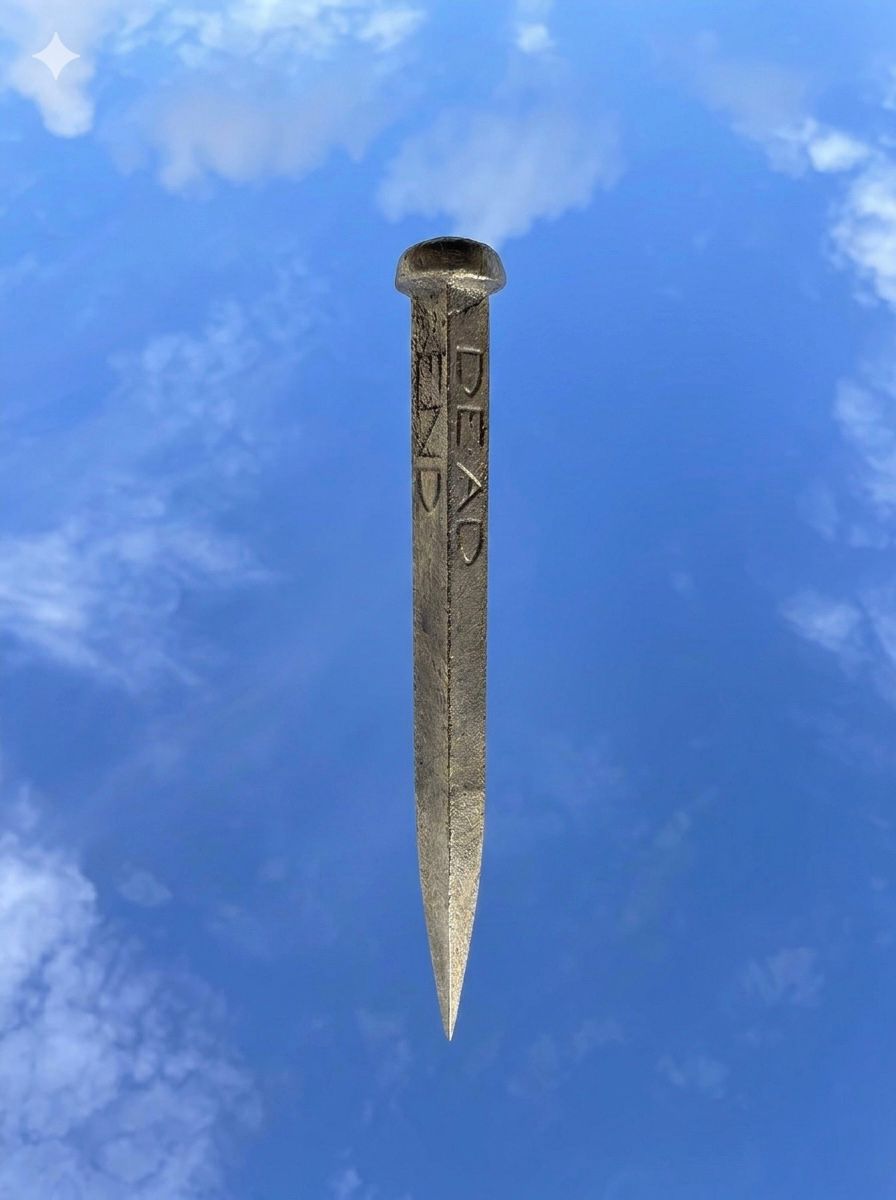
BodyObject: Equilibrium
2026, Site-specific installation: Bronze sculpture with inscribed text: HARD FAST DEAD END

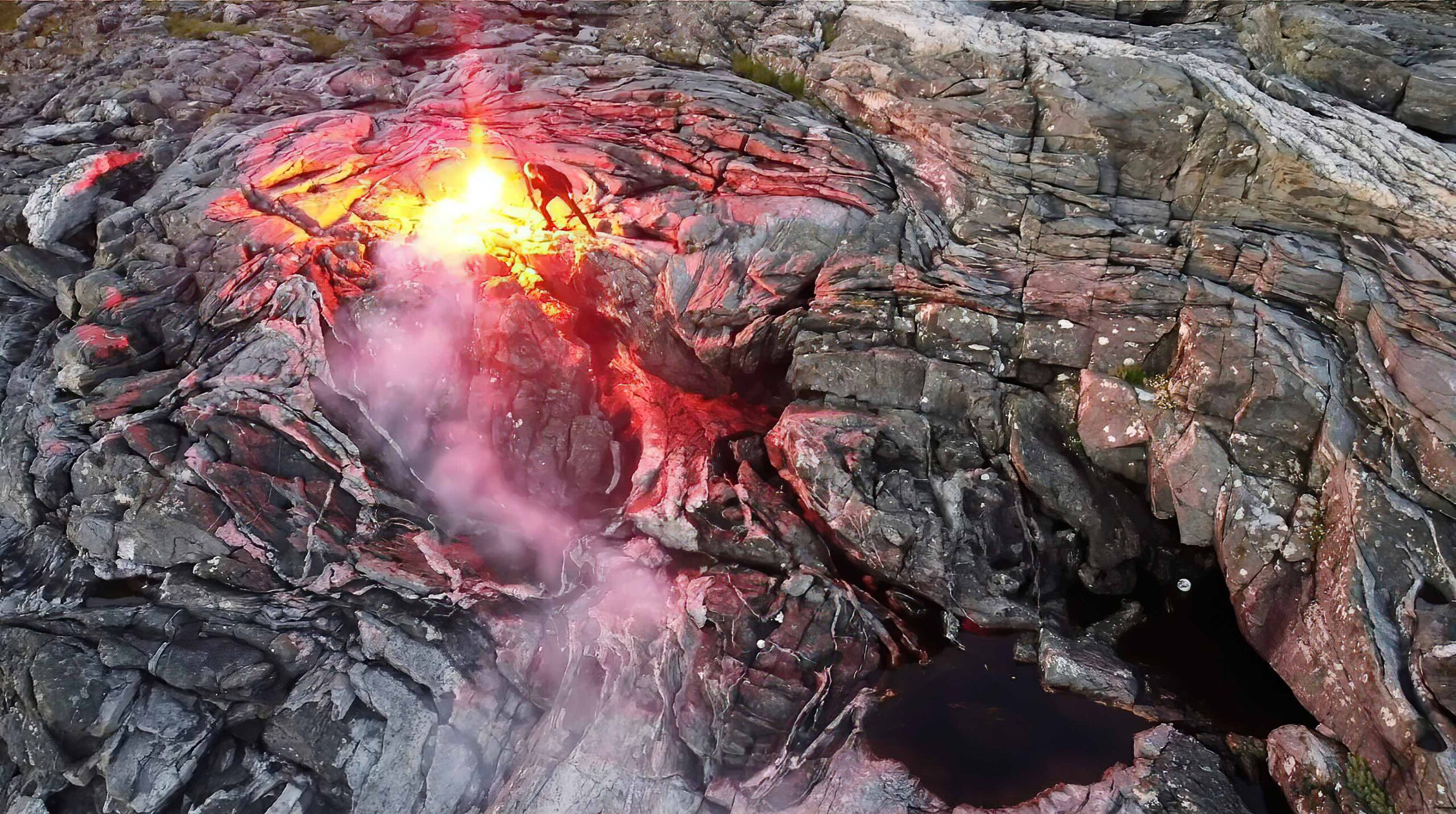
Far Before and After Us. Golta
2022, 4K video, color, sound, 10′
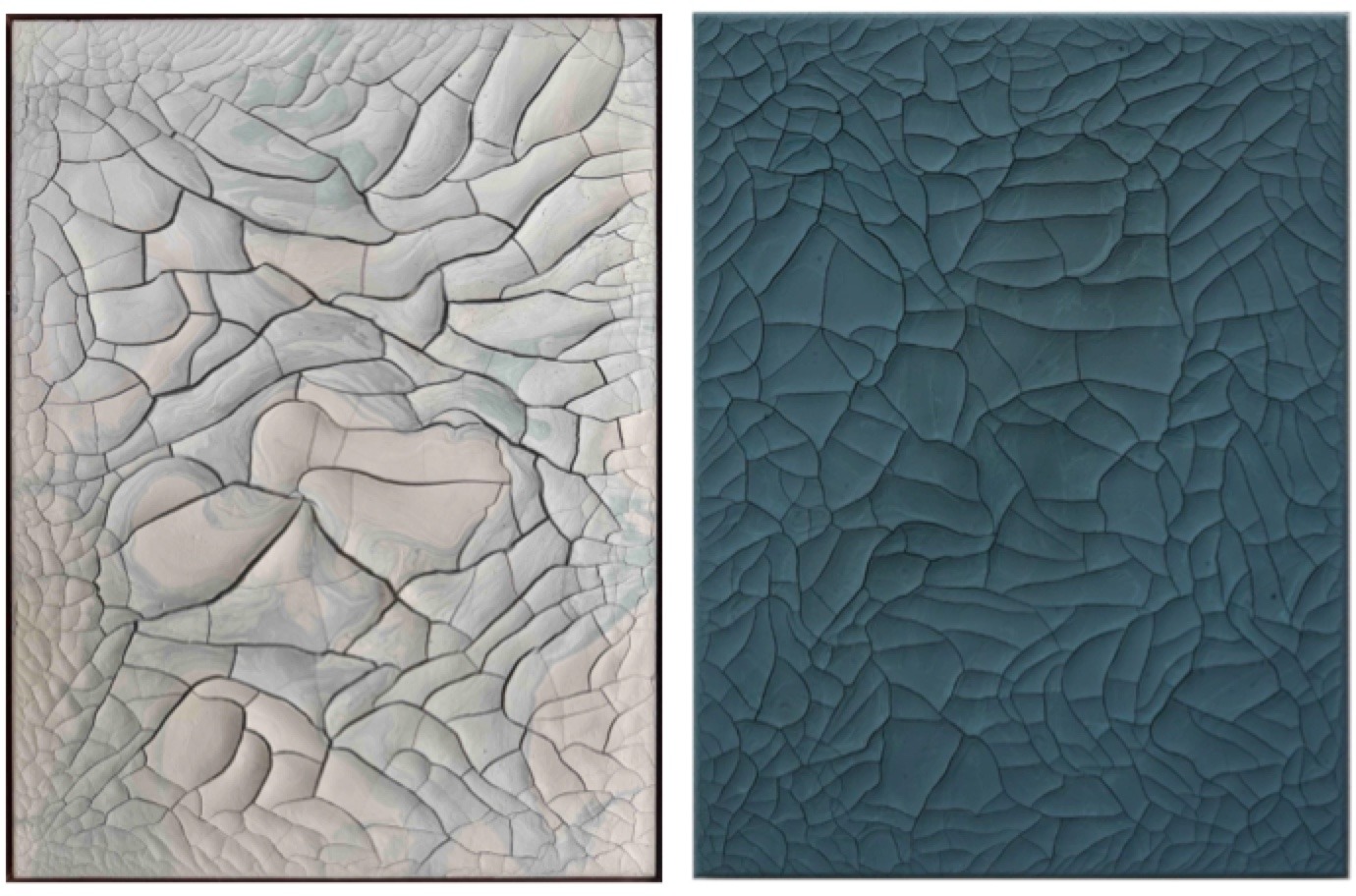
VORTEX 53 (Marmor) & VORTEX 55 (Grünblauoxid)
2024, Porcelain paste and pigments on linen_60 x 80 cm
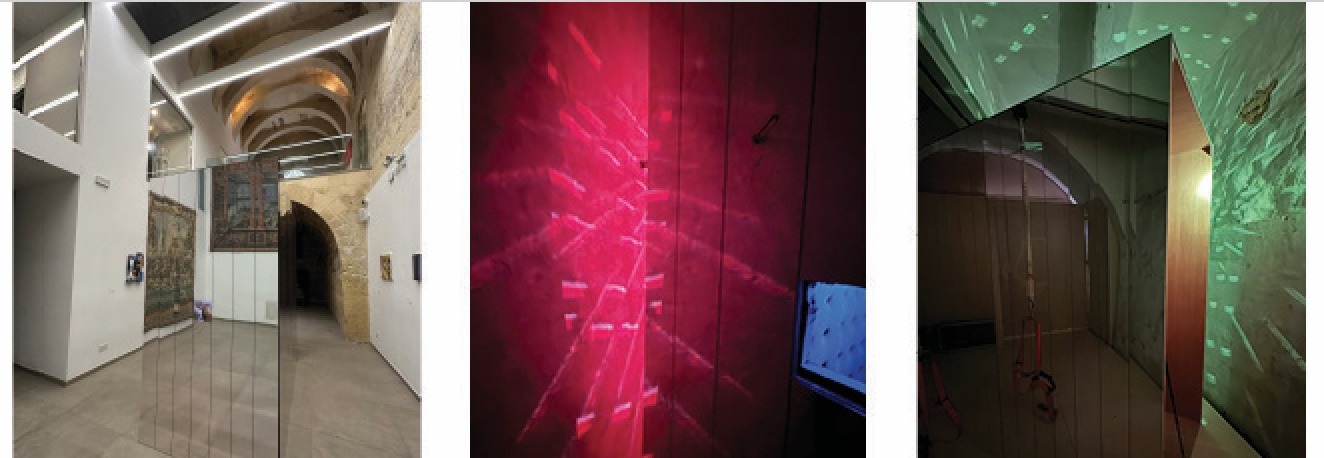
THE CONFESSIONAL | INFINITE HABITAT
2025-26, Durational performance & mixed-media installation, 240(L) x 120(W) x 240(H) cm
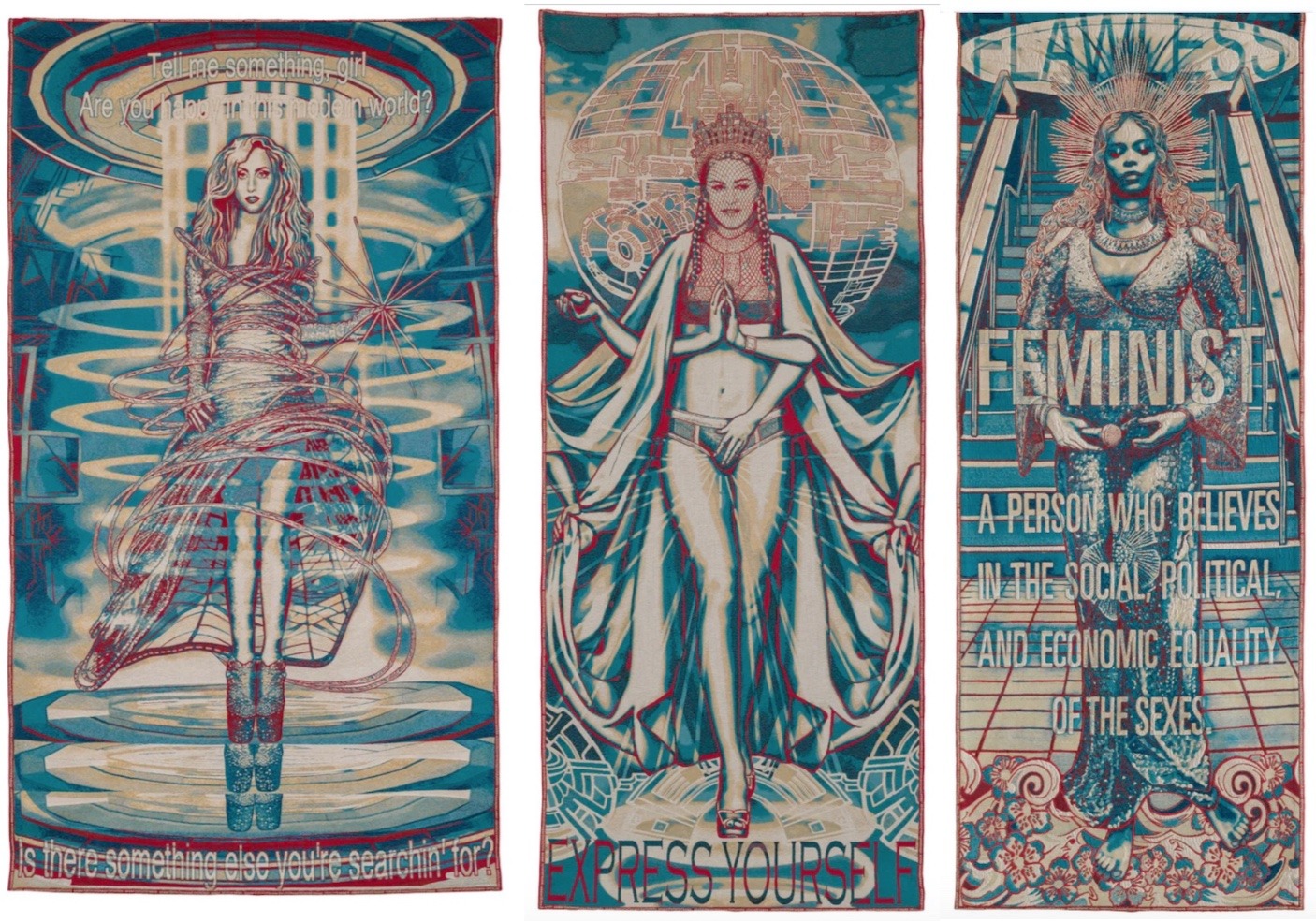
Shallow, Express Yourself & Flawless
2024, Digital Montage/Jacquard Tapestry, 272 x 153 cm
2024, Digital Montage/Jacquard Tapestry, 270 x 116 cm
2024, Digital Montage/Jacquard Tapestry, 270 x 106 cm
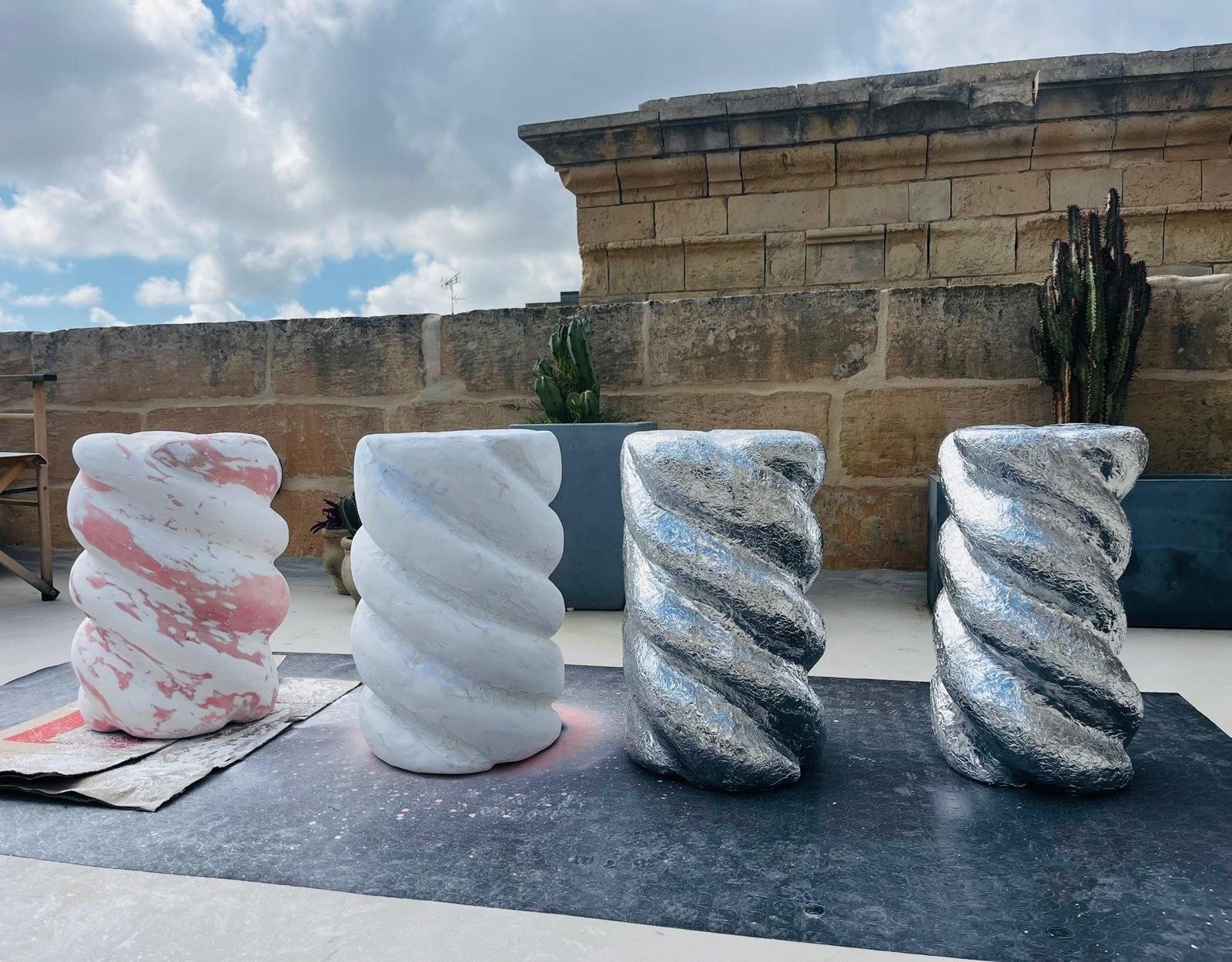
flump
2026, Site-specific installation: polystyrene and fibreglass, each 35x35x50cm
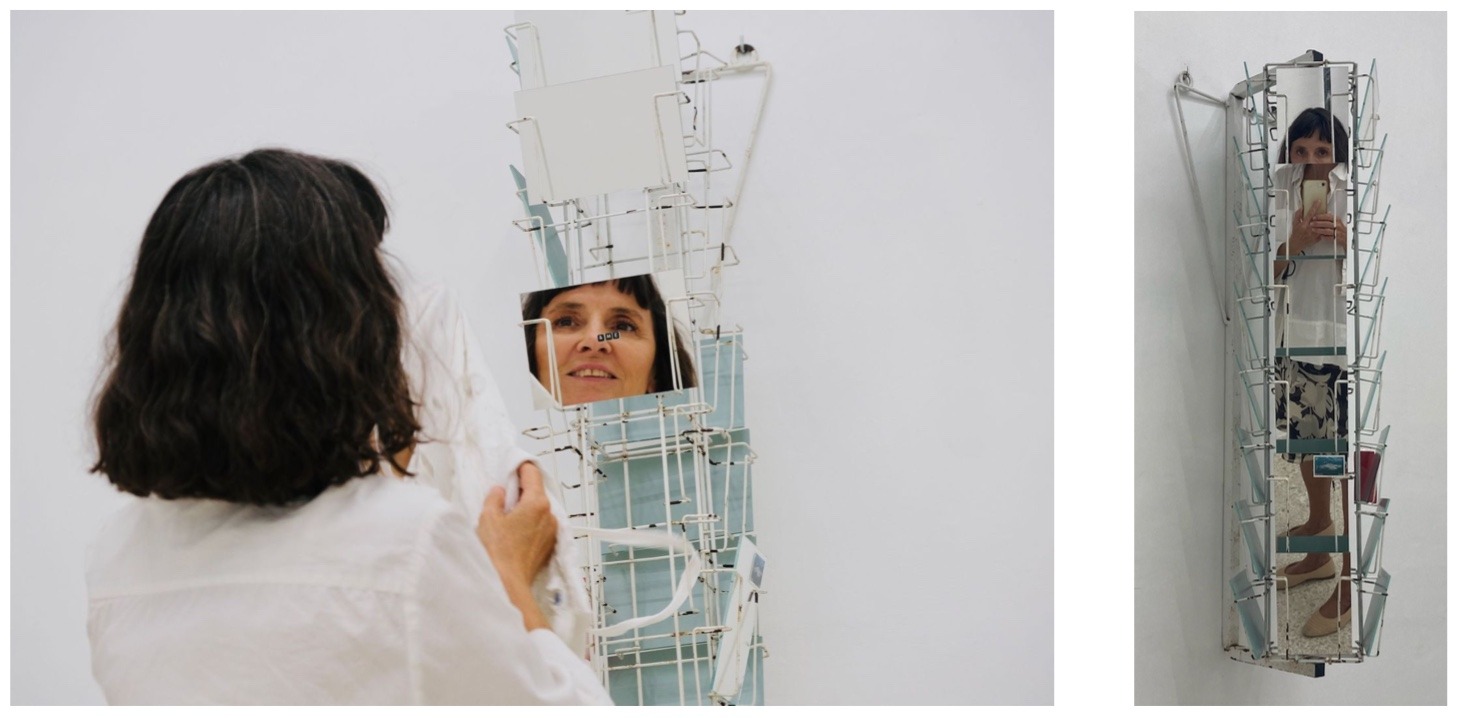
Postcards from Paradise:
We Can’t Talk And Talk And Talk Forever & How Many Times You Had To Sacrifice Your Body
2026, Installation: Double-sided rotating postcard stand, Mirrors, Stickers, 92 x 34 x 6 cm
2026, Installation: Double-sided postcard stand, Mirrors, Stickers, 92 x 34 x 6 cm
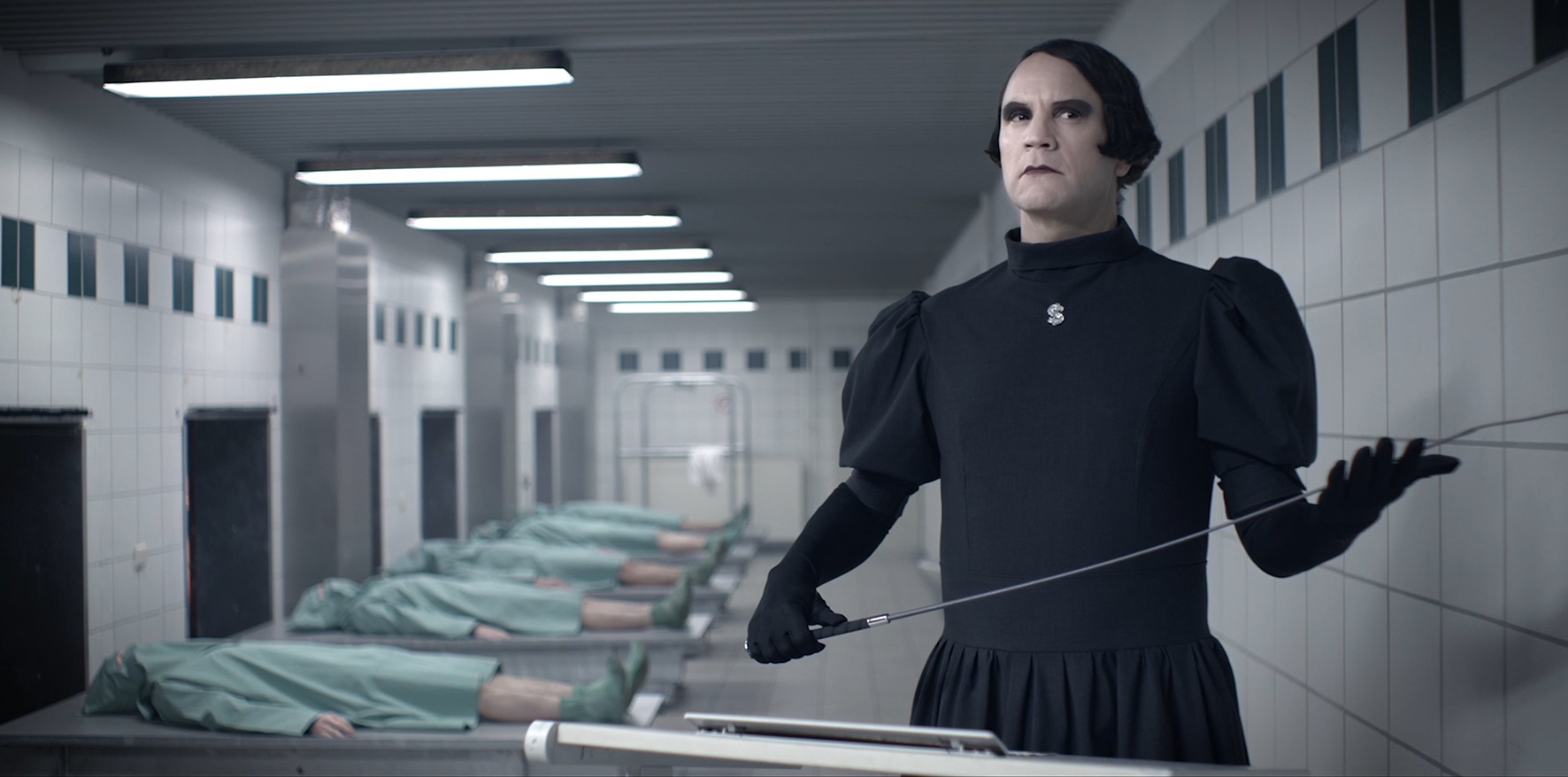
Freedom & Independence
2014, 4K video, 16:9, color, sound, 15’
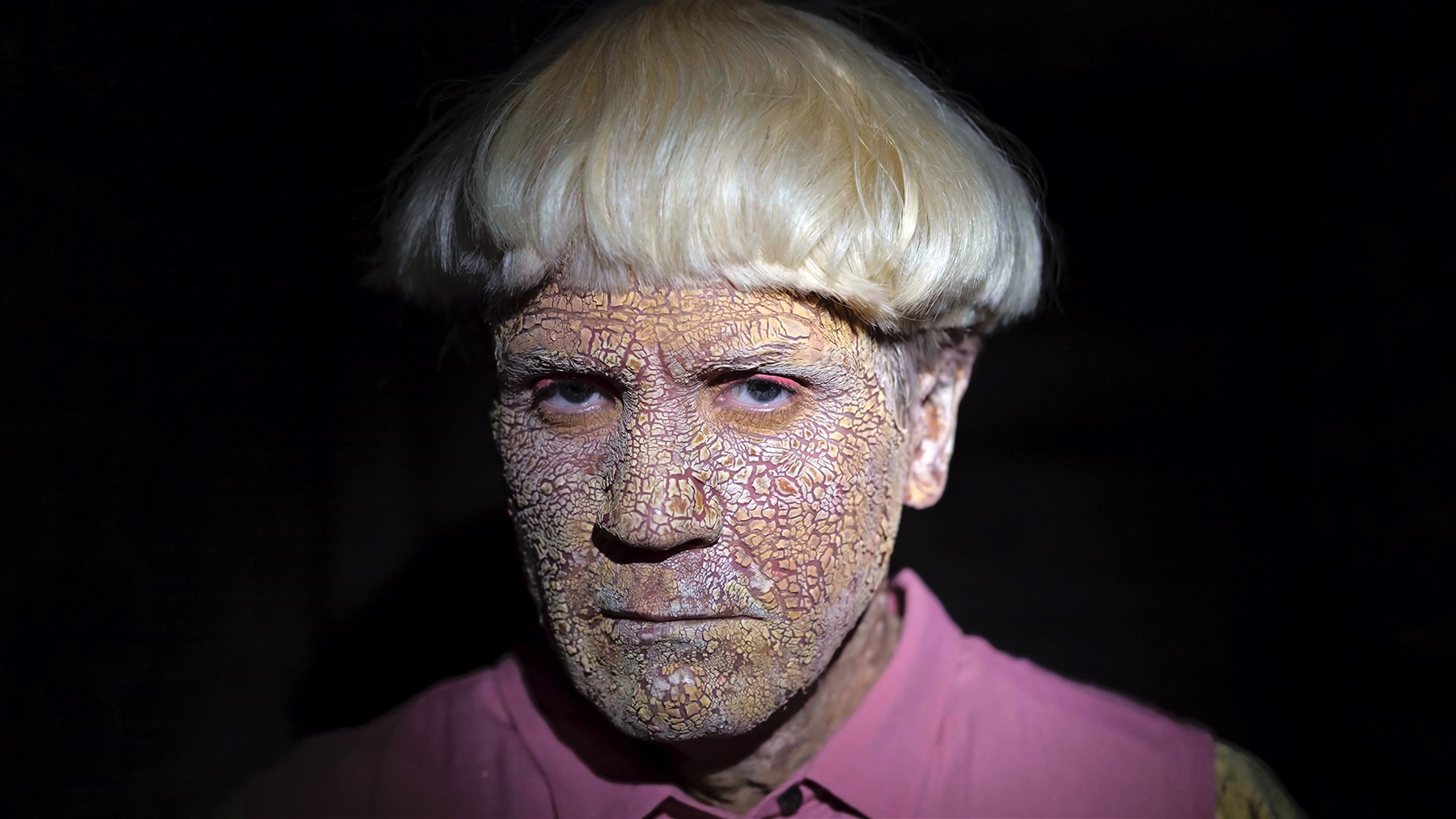
Homesick
2022, 4K video, 16:9, color, sound, 14’
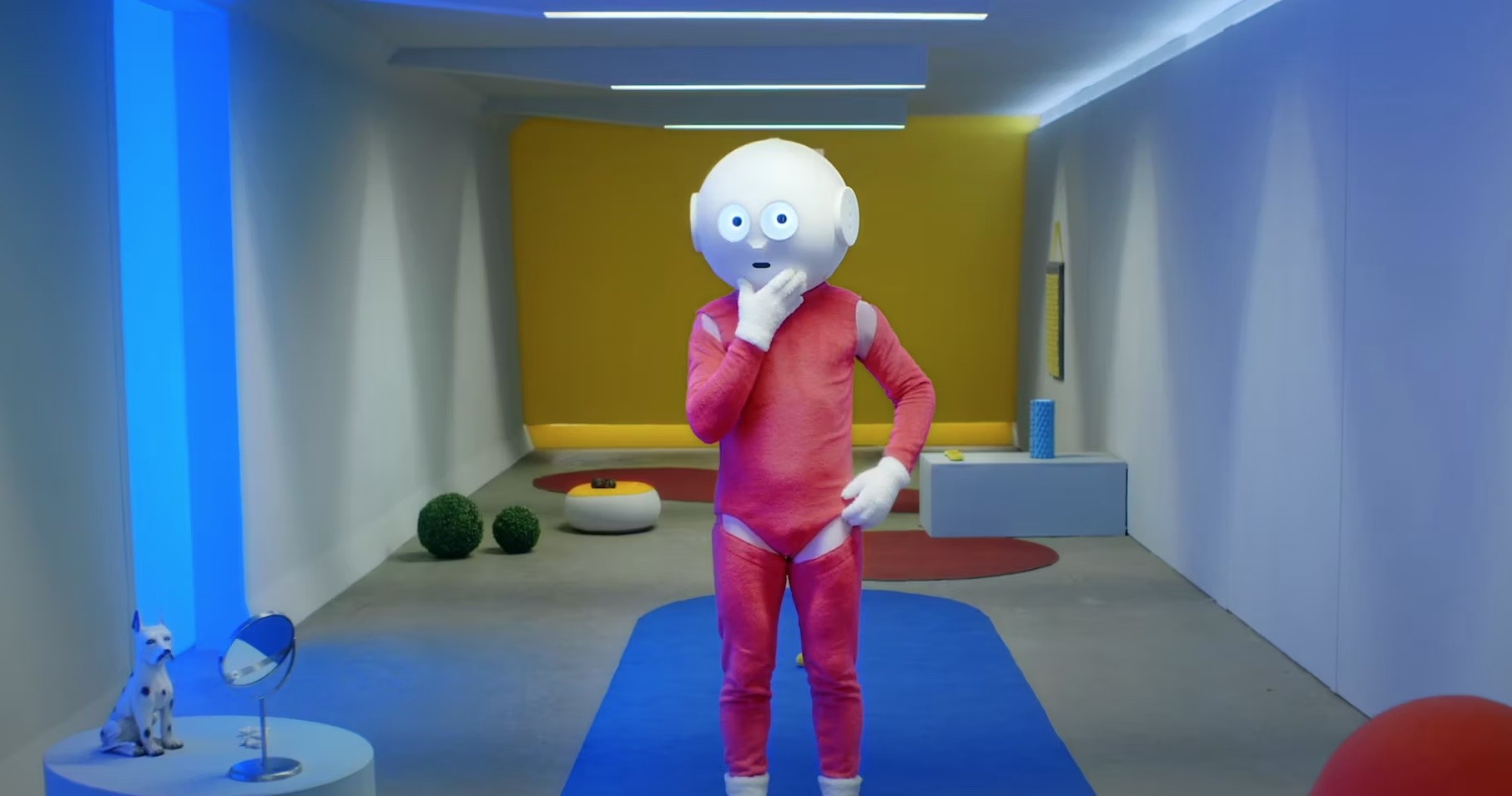
Sugar
2019, 4K video, 16:9, color, sound, 20’30”
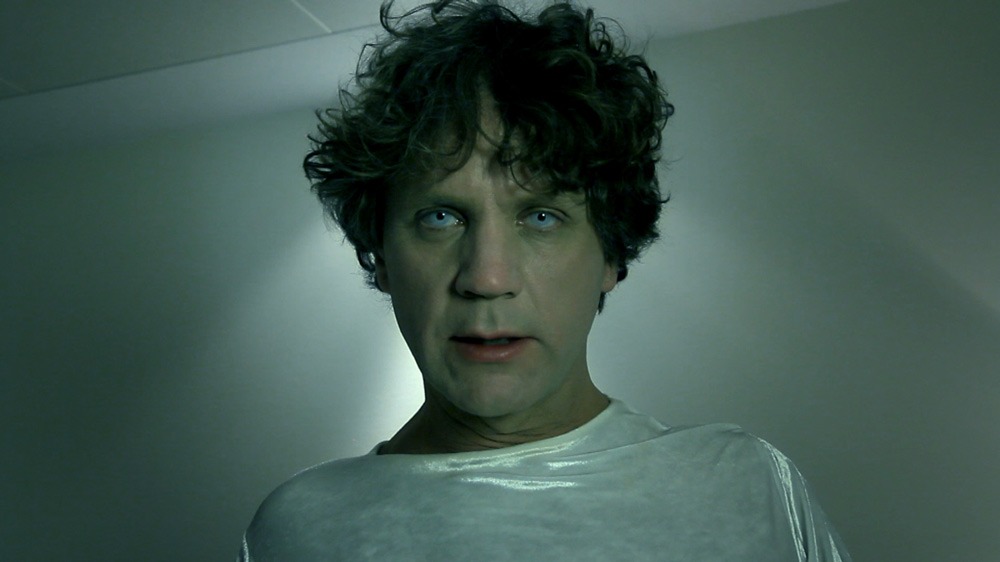
Sudden Destruction
2012, HD video, 16:9, color, sound, 4’20”
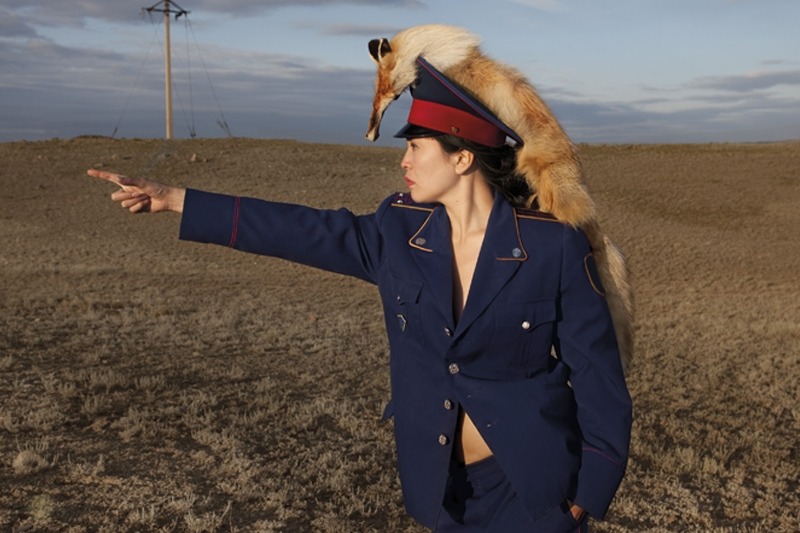
Transoxiana Dreams
2011, HD video, 16:9, b/w & color, sound, 23’
Courtesy of the MOMENTUM Collection
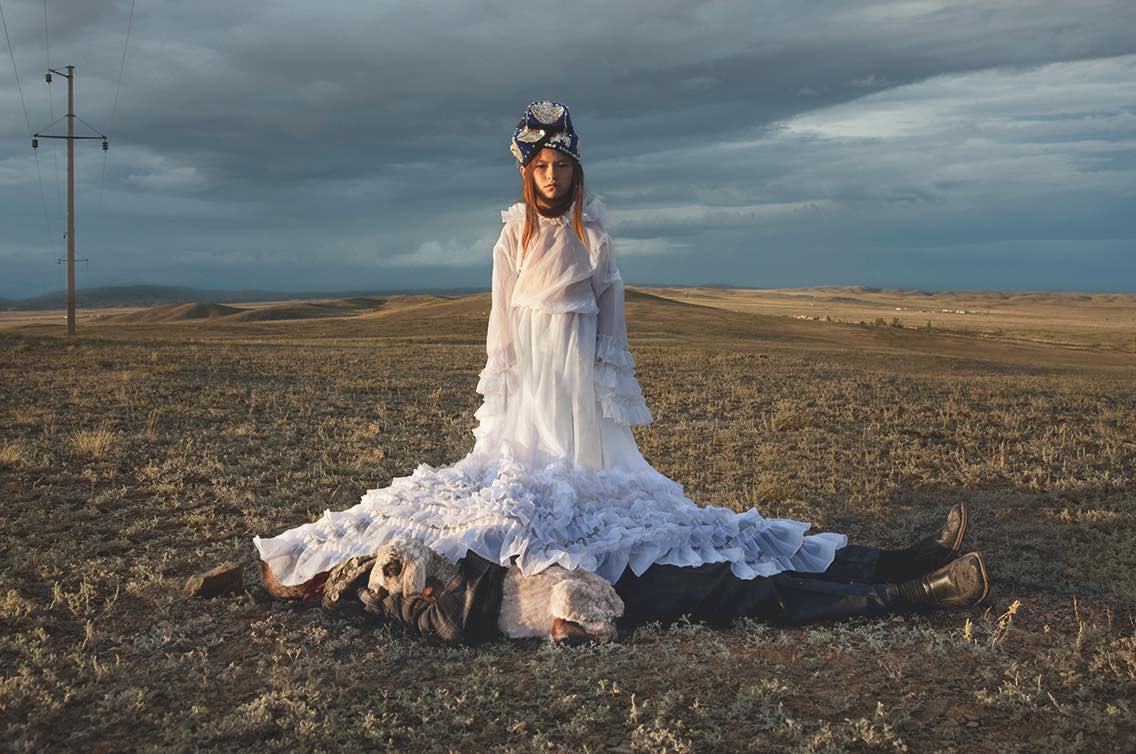
Milk for Lambs
2010, HD video, 16:9, color, sound, 11’
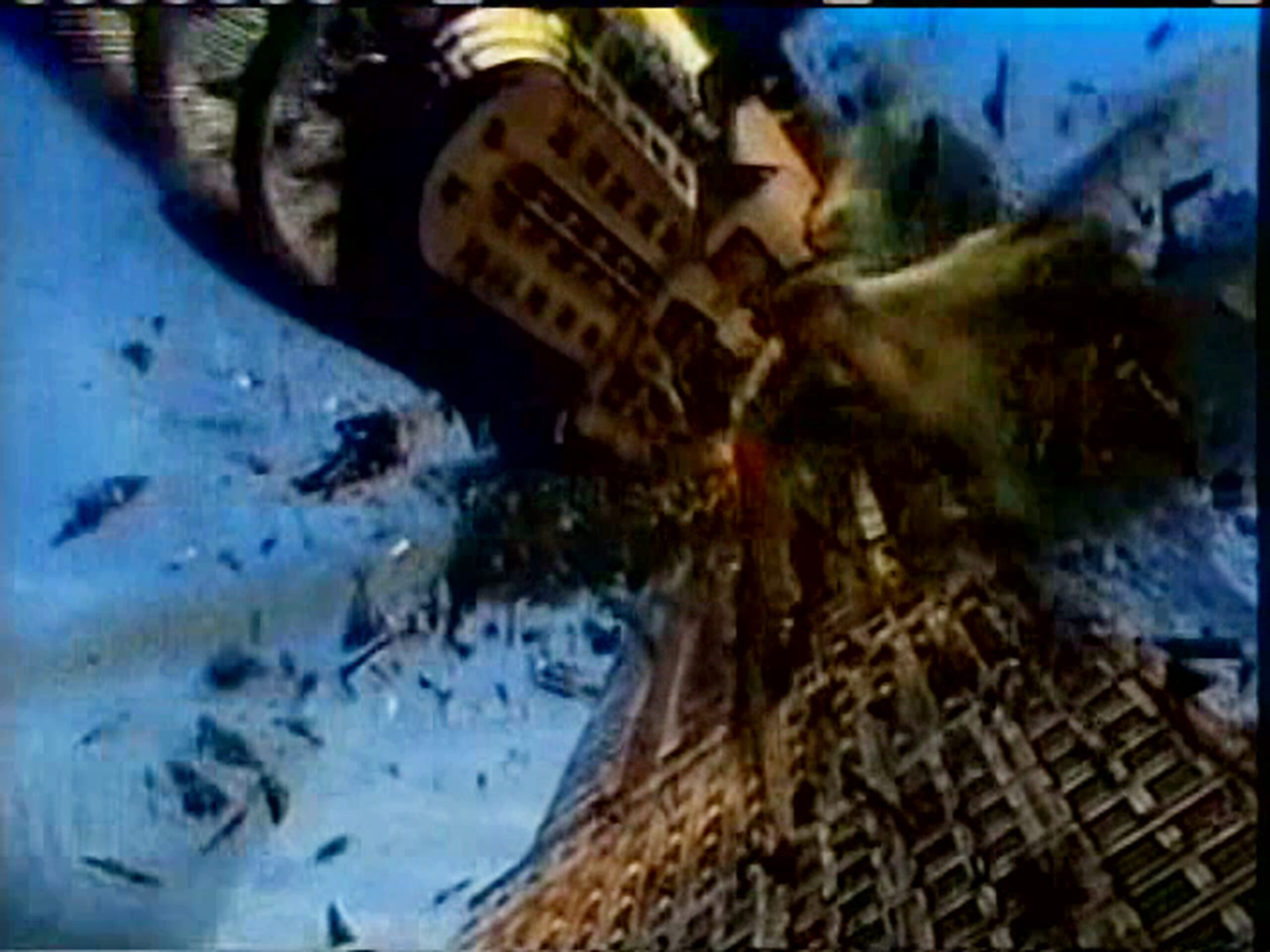
Doomed
2007, Video, found footage collage, color, sound, 9’21”
Courtesy of the MOMENTUM Collection
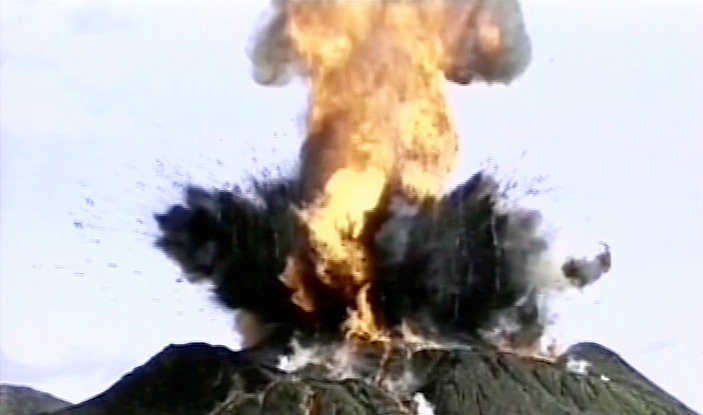
Other
2009, Video, found footage collage, color, sound, 6’30”
Courtesy of the MOMENTUM Collection
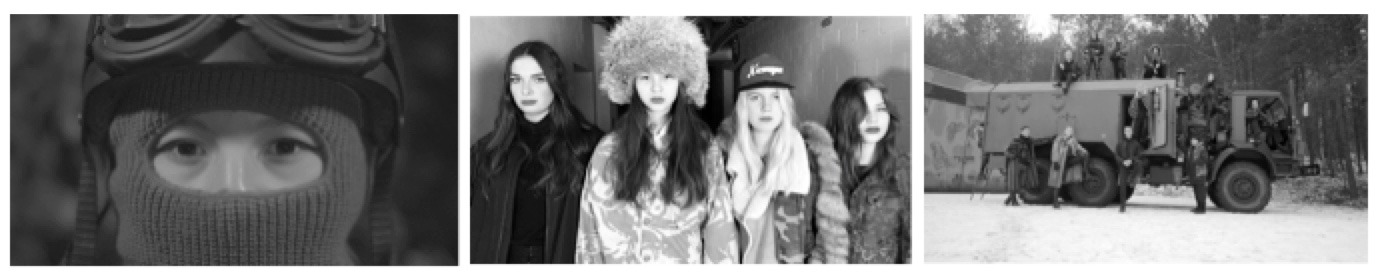
TRILOGY OF TOMORROW
D A R K W A T E R S, 2018, HD video, b/w & color, sound, 15’55”
S N O W F O X, 2018, HD video, b/w & color, sound, 10’03”
L.E.O.P.A.R.T., 2019, HD video, b/w & color, sound, 17’13”
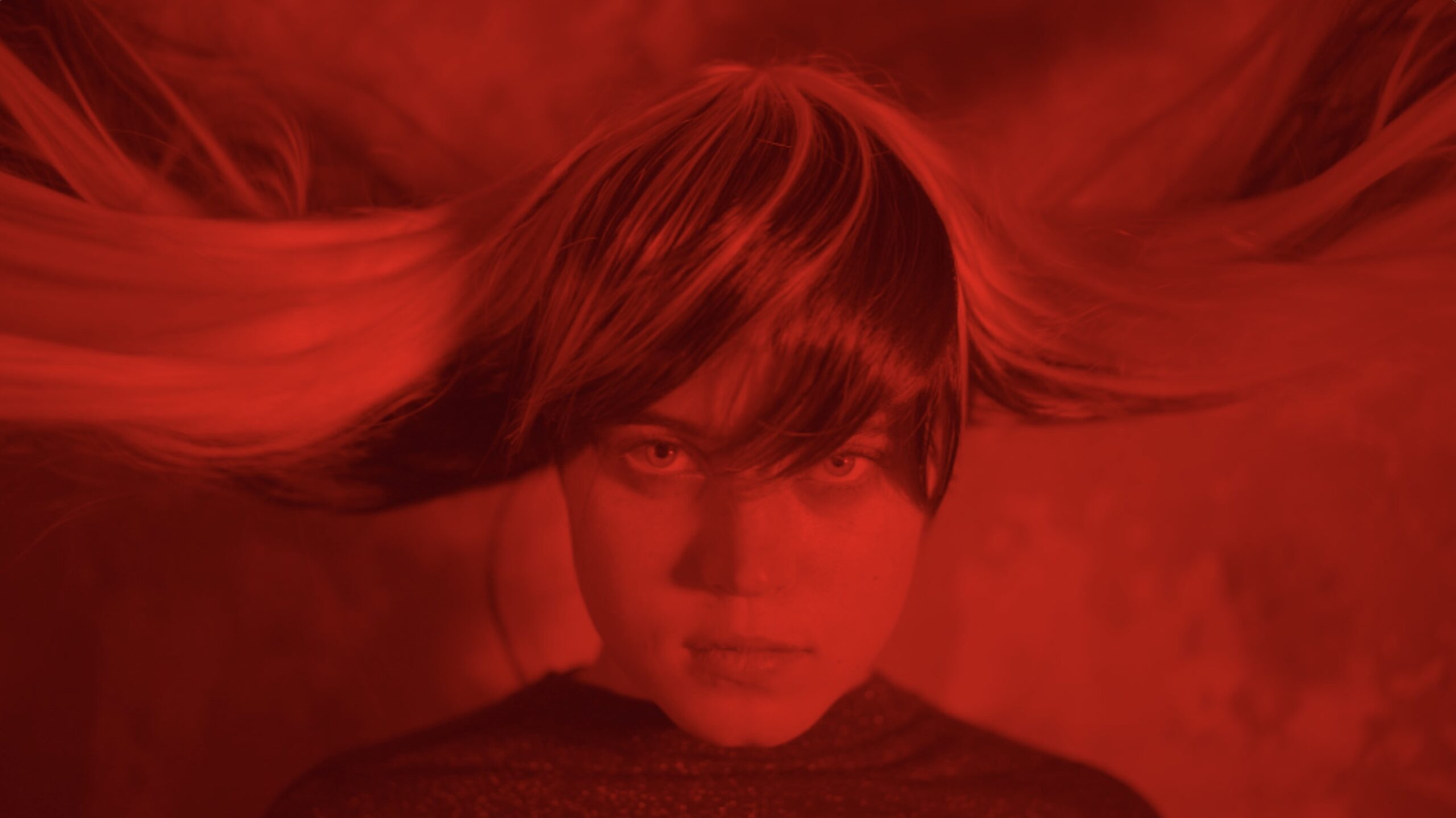
W H Y D O W E K I L L
2022, HD Video, b/w & color, sound, single-channel version of 3-channel video installation, 6’39”
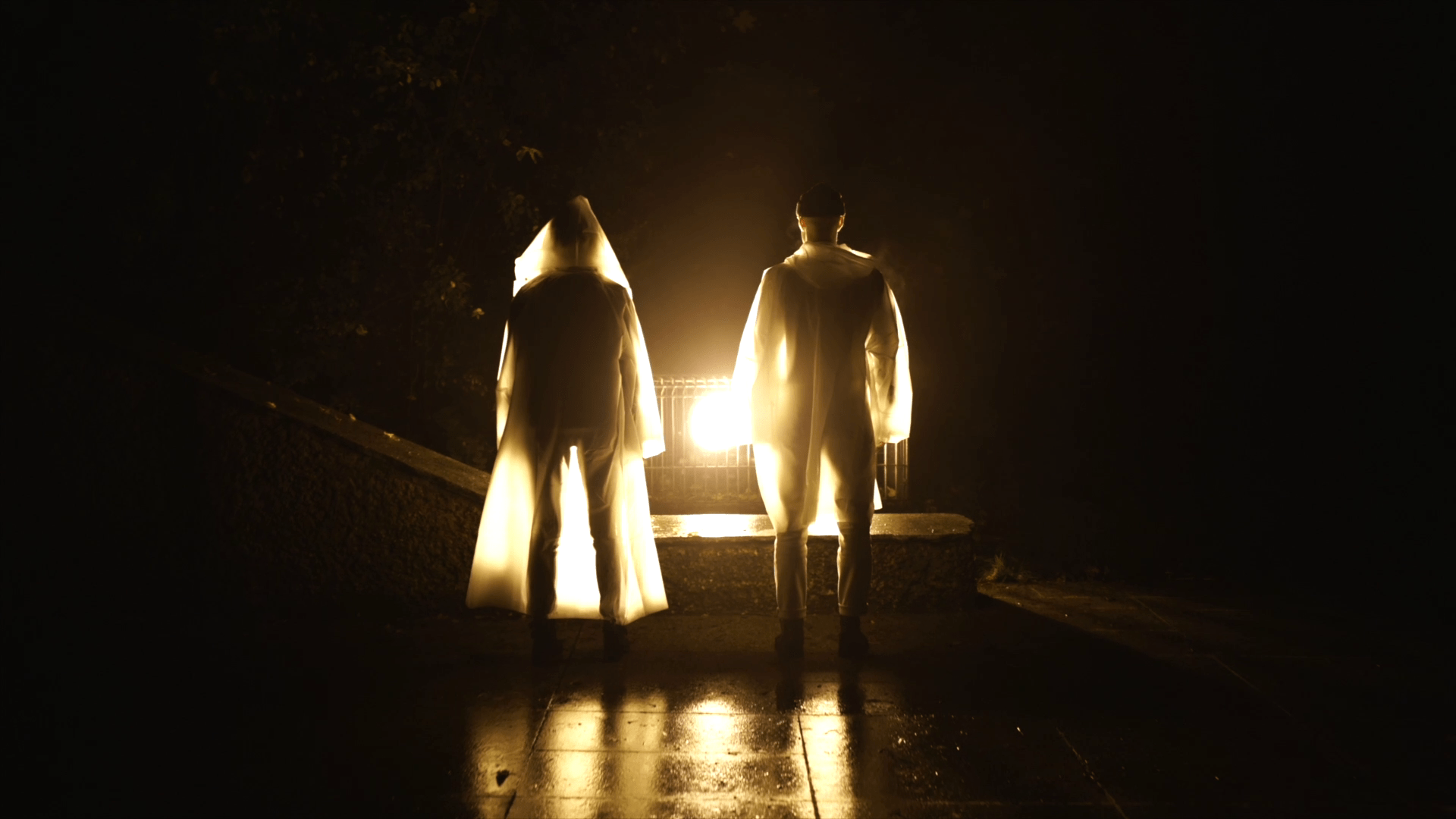
B.T.R. (BORN TO RUN)
2020, HD video, 16:9, color, sound, 20’03”
Courtesy of the MOMENTUM Collection
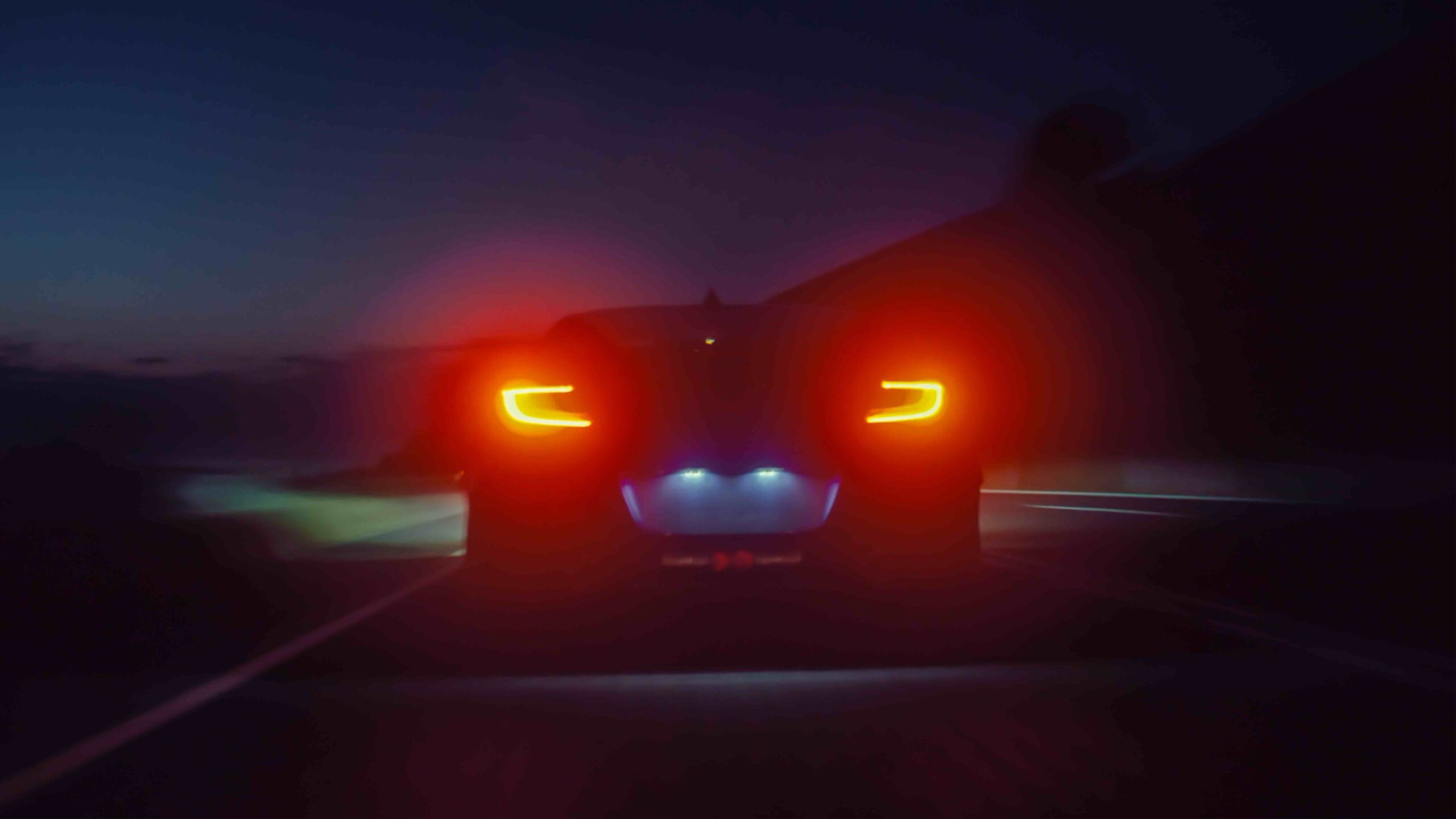
RIDE OR DIE
2024, HD video, 16:9, b/w&color, sound, 30’13”

